


Table of contents :
A piano is much more than just an instrument: it’s a playing companion, an investment, sometimes even a family heirloom. Here are a few simple but essential tips to ensure that it retains all its sonic beauty, sturdiness and playing comfort over the years.
Piano care: ideal temperature and humidity
The wood, felt and steel strings of a piano are highly sensitive to variations in temperature and humidity.
If the air is too humid (over 70%), your piano will first become difficult to play, as the action jams. Next, the wood will swell, the Strings will stretch crookedly, and your piano will sound out of tune. Over time, the metal parts will oxidize, and mold may appear.
If the air is too dry (less than 40%), the Soundboard will dry to the point of cracking, with disastrous, even irreversible consequences. The tension of the Strings will decrease, and the Piano will go out of tune. This is a sign to which you need to react quickly by raising the humidity level in the room. Your health will also benefit.
- 🌡️ Ideal temperature: between 19°C and 23°C
- 💧 Recommended humidity: between 40 and 60%
- 🚫 Avoid placing near a radiator or window with direct sunlight exposure.
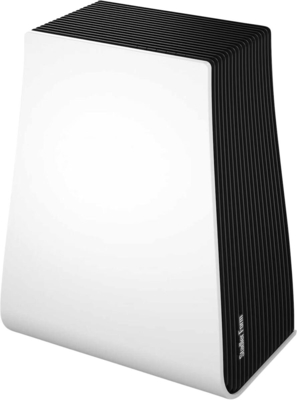
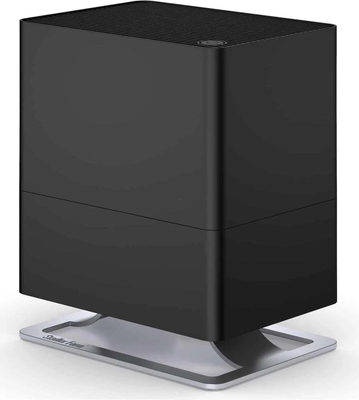
👉 Tip: invest in a hygrometer and, if necessary, a humidifier or dehumidifier for the room reserved for the piano.


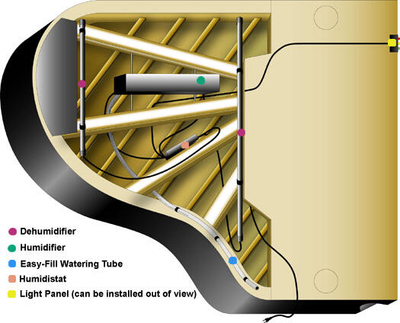
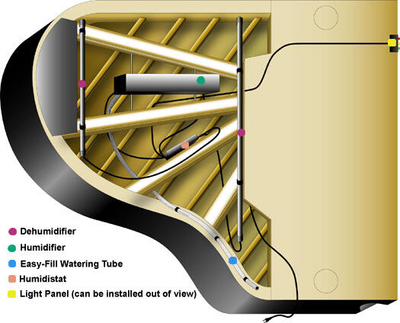
The Dampp Chaser system: the ideal solution against humidity
Dampp Chaser is a system that is installed in the piano (preferably by a technician) and humidifies dry wood when humidity drops.
When relative humidity increases, it draws moisture out of the piano by means of warm air currents.

Cleaning an acoustic piano: the right steps to take
Cleaning the outside of the Piano
- Use a dry microfiber cloth to dust the cabinet.
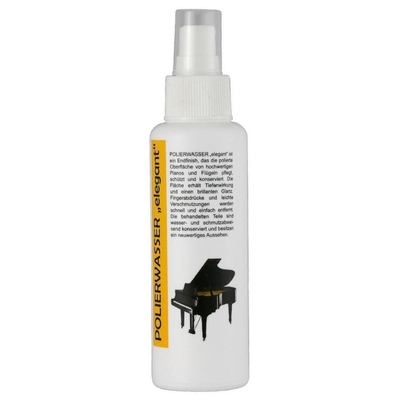
- Apply a polish to remove fingerprints or dirt on gloss varnish.
- For satin varnish, use only a soft microfiber cloth to remove dust (use the minimum amount of liquid).
- Clean the keys with a slightly damp cloth.
- Preferably, use the cloth only for your Piano.
Caution: Do not use an aggressive cleaning product or one containing abrasive particles, and to avoid micro-scratches, use a special piano microfiber cloth as they are softer.
Cleaning the inside of the Piano
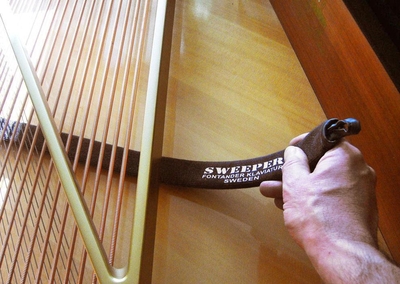
Never attempt to clean the interior yourself. A qualified technician will be able to dismantle and reassemble the parts without damaging them. Leave this task to a professional when tuning or servicing your piano. Don’t hesitate to contact our piano repair workshop in Morges.

Piano tuning: how often and why?
Even if you don’t play often, a piano naturally goes out of tune.
Your piano’s Strings are attached to pegs, which are planted in wood. As wood reacts to changes in temperature and humidity, it can move a little. This also causes the Strings to move, eventually putting the instrument out of tune.
Each piano string is tensioned to around 90 kg. With its 230 Strings, the tension on the whole is around 18 to 25 tons. When the piano is tuned, the technician puts the right tension back into each string. The result: a beautiful sound and a healthy piano 😉
For all these reasons, we strongly recommend that you have your piano tuned once or twice a year.
📞 Call on our qualified piano builders. Make an appointment to tune your piano!
Tips to protect your piano every day
- Avoid placing heavy or decorative objects on the piano: this leads to unwanted noise or vibrations.
- Never place a vase on the lid: in the event of an accident, water spilled into the piano can cause very serious damage, which can be very costly to rectify.
- Keep drinks away from the piano.
- Choose a location away from windows for your piano to avoid direct contact with the sun, as this will damage the varnish and cause dull patches of discoloration to appear in the best of cases. In the worst case, it could warp the wood due to over-drying of the area overheated by the sun.


Why should you play your Acoustic piano regularly?
Playing your piano regularly allows it to breathe, vibrate and retain all the beauty of its sound. Inert for too long, strings and Soundboards lose their vibratory capacities, and therefore their musical qualities. Just as a body needs movement to stay in shape, an instrument needs music to stay alive.
Professional piano maintenance
In addition to tuning, the piano should be serviced every 4 to 5 years to ensure its longevity
- Overhaul the action: adjustment may be necessary if there’s any play or, on the contrary, some keys are stuck.
- Clean the inside of the cabinet: this is best left to a professional, who will be able to dismantle and reassemble the parts with ease and precision.
- Readjust pedal settings: over time, play can set in at the pedalboard. It’s a good idea to adjust this during the overhaul.
- Sand the Hammers: the more you play, the more the Hammers wear. It’s important to take precise care of them to get a defined, clean and precise sound, just like on the first day.
Your piano is like a racing car: tuning keeps it moving, but without maintenance, it gets damaged fast! Its mechanics, made up of 5,000 small parts, require precision and care. The piano maker is the specialist who brings your instrument back to full performance.
Does your piano need servicing?
💻 Fill in our form, and we’ll get back to you as soon as possible with several proposals for time slots: make an appointment with the workshop. You can also contact us directly by phone on 021 811 28 28.
Conclusion: a well-maintained piano lasts a lifetime
A well-maintained piano sounds better, lasts longer, and is a pleasure to play. It’s a friend that can last a lifetime, provided you give it a little care and attention. Good maintenance is like a fine tuning: it requires accuracy, regularity and a good dose of love.