🎯 IN BRIEF
- Speaker size should be proportional to your room: 5″ for <10m², 6″ for 10-15m², 8″ for >15m².
- Oversizing in a small space creates fuzzy bass and resonances impossible to correct in the mix.
- DIY tricks (sofa against the wall, egg cartons, thick curtains) improve acoustics without a high budget.
- Try out different models in Boullard Musique’s optimized listening room in Morges before you buy.
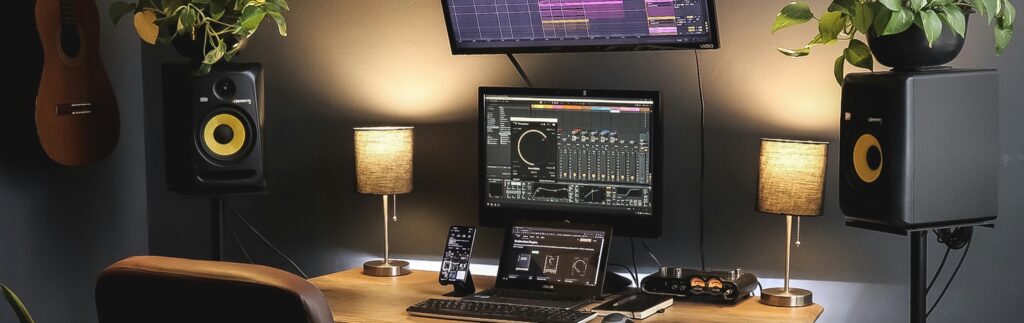
When setting up a home studio, we often think of microphones or sound cards. But monitoring speakers play a central role in the quality of your mixes. And their size is far from being a mere aesthetic detail.
Why speaker size is crucial in the home studio
Impact on bass reproduction
The larger the speaker (woofer), the more accurately it can reproduce low frequencies. 8-inch speakers will go lower in the spectrum than 5-inch ones. But that doesn’t mean they’ll suit everyone..
Influence on stereo and dynamics
Larger size also means better dynamics and a wider stereo image. But beware, this requires sufficient distance for the sound to develop properly in the room.
Frequency response vs. room volume
The pitfall? Choosing speakers that are too large for a room that’s too small. The result: blurred bass, resonances(, peaks and troughs in the frequencies can be created resulting in) an unreliable sound. The size of your speakers should therefore be proportional to your space.
How to choose the right size for your room
Here’s a handy chart to help you make the right choice according to the surface area of your room:
| Room surface area | Recommended speaker size |
| Less than 10 sq. m | 5 inch |
| 10 to 15 sq. m | 6 to 6.5 inches |
| More than 15 m² | 8 inches |
| Pro studio or large room | Midfield or 3-way systems |
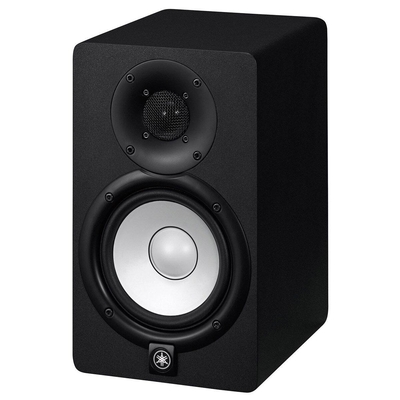
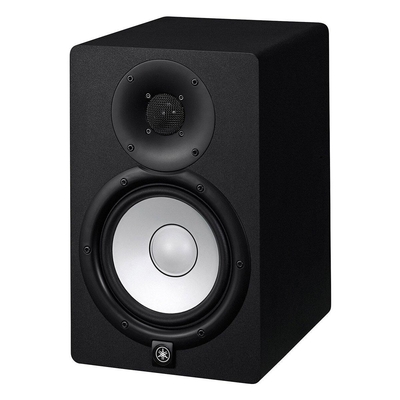
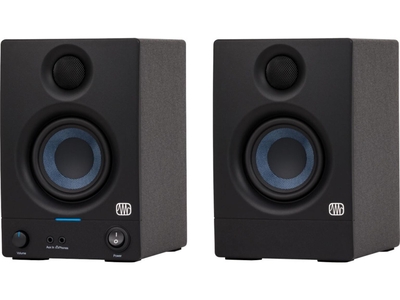
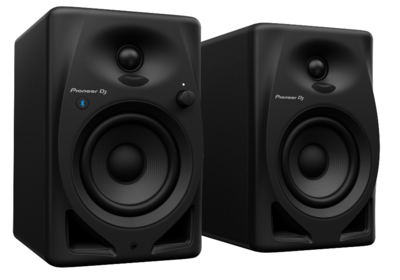
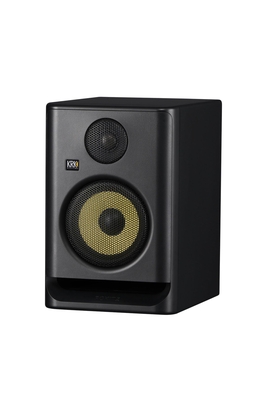
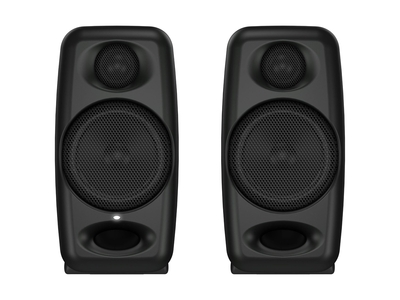
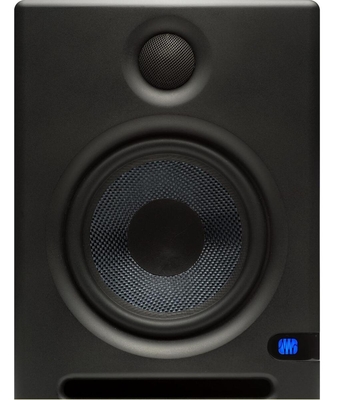
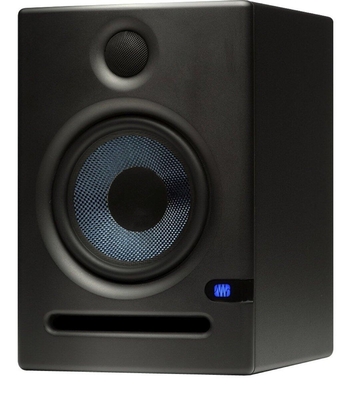
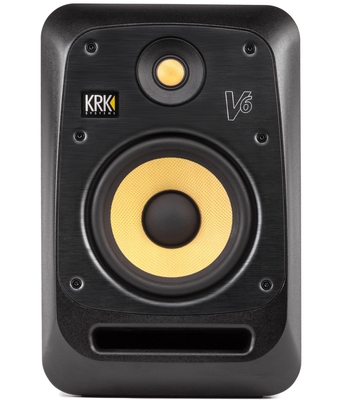
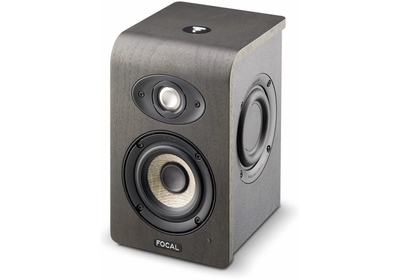
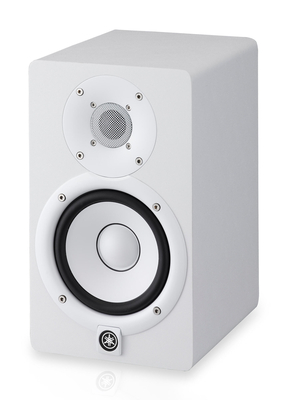
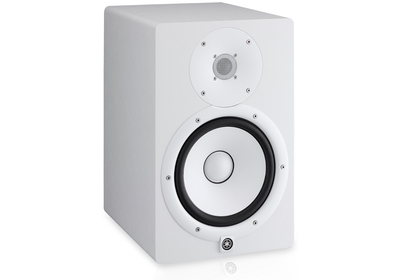
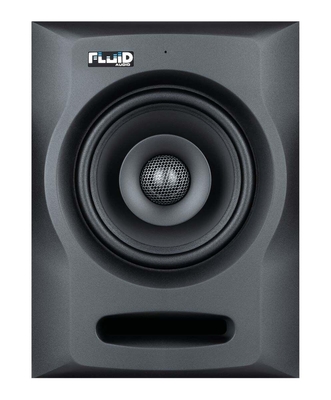
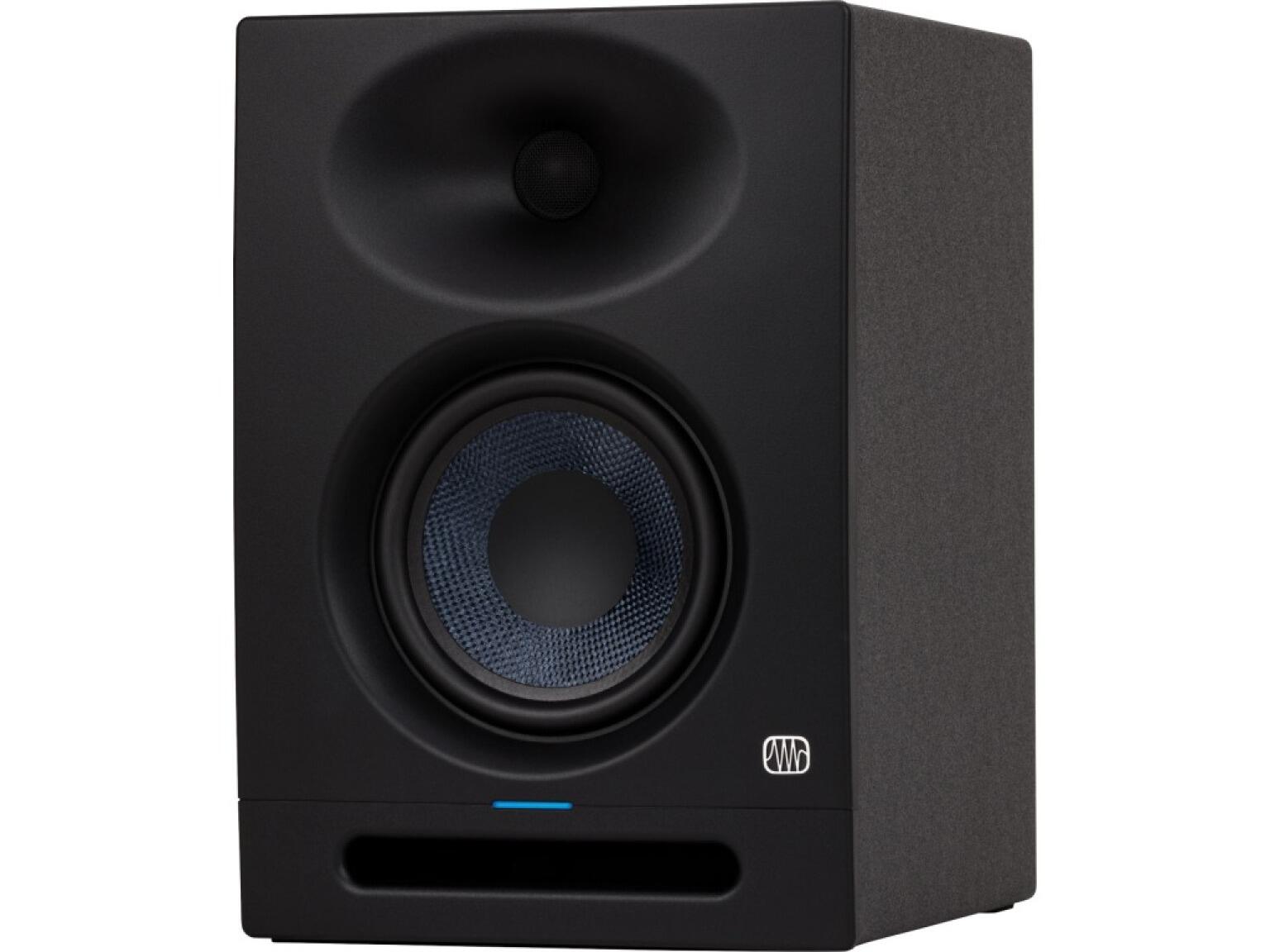
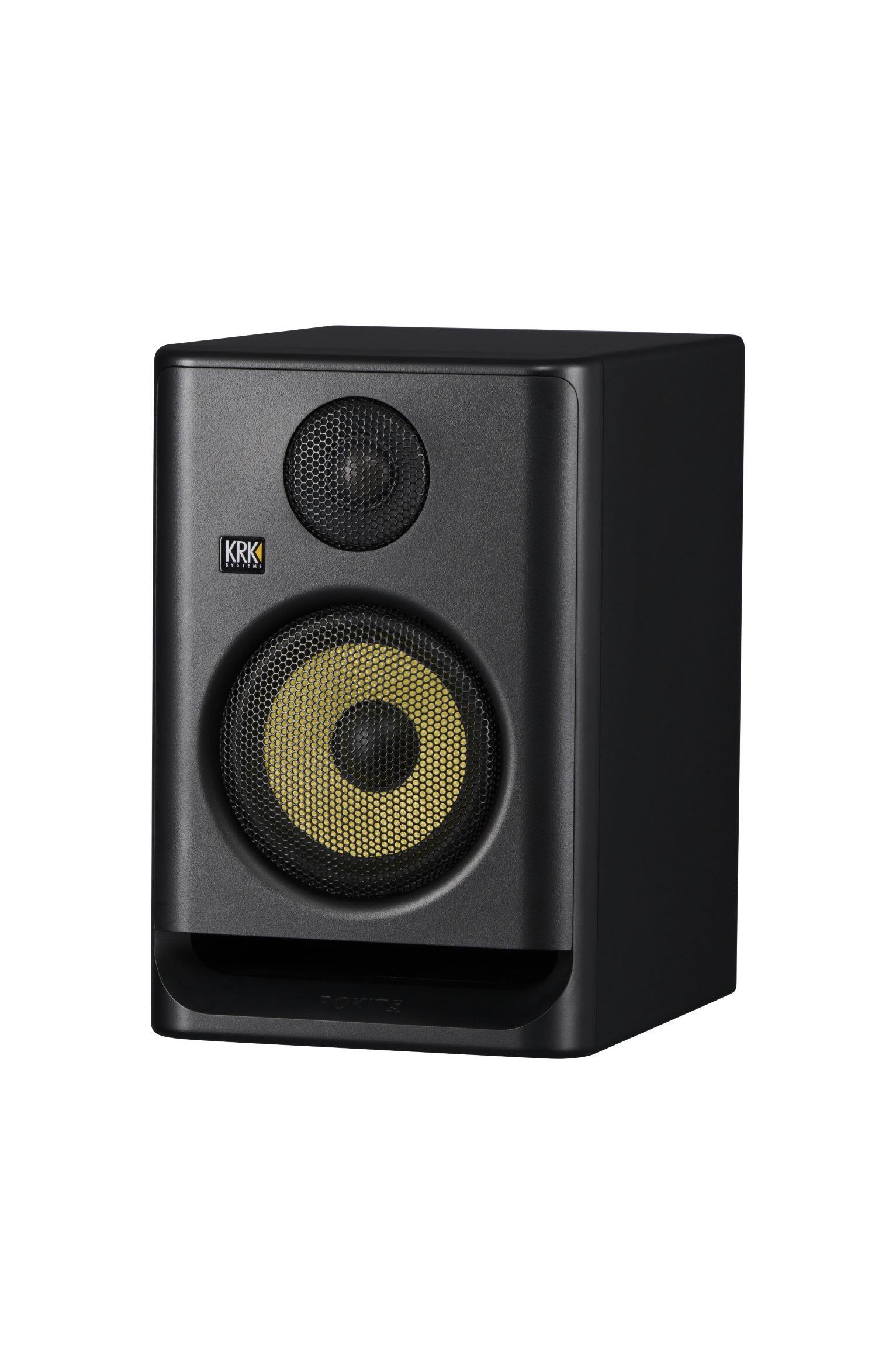
<10 m²: 5″ speakers: Ideal for small spaces: Yamaha HS5, KRK Rokit RP5, Presonus Eris 5. They offer good balance without overloading the acoustics.
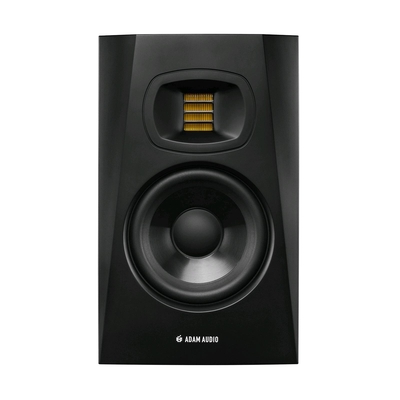
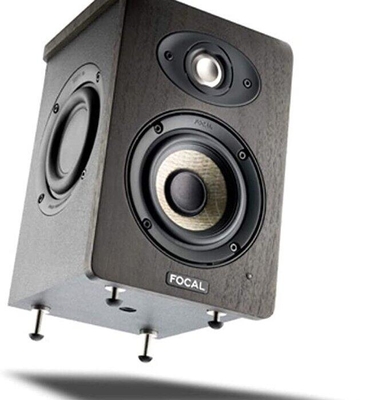
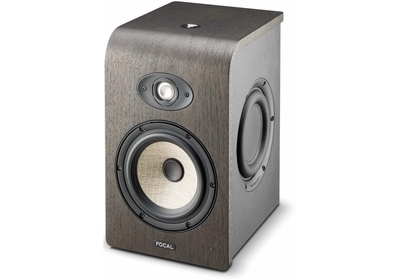
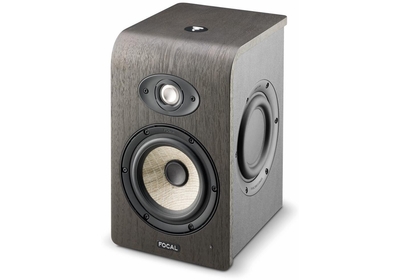
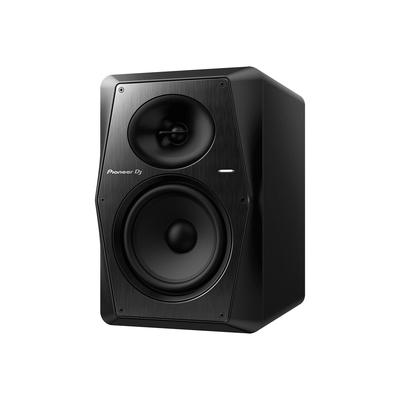
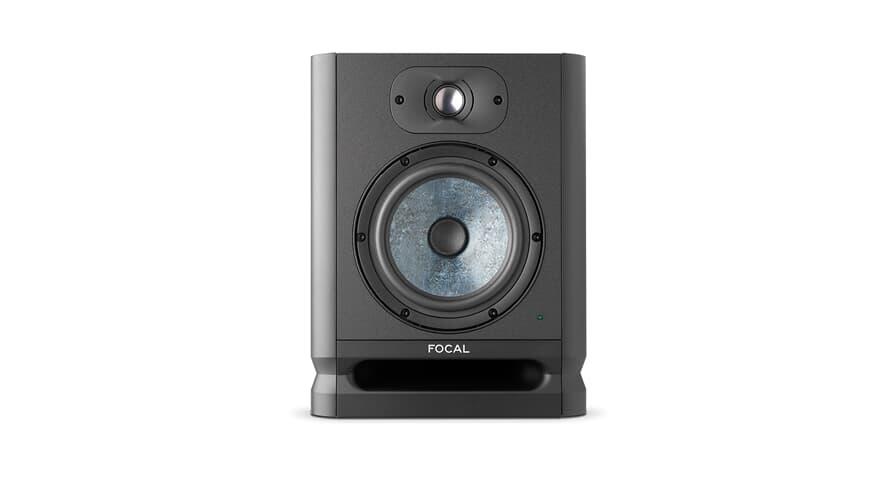
10-15 m²: 6″ speakers: A good compromise between compactness and bass precision. Consider the Focal Alpha 65 or Adam T7V.
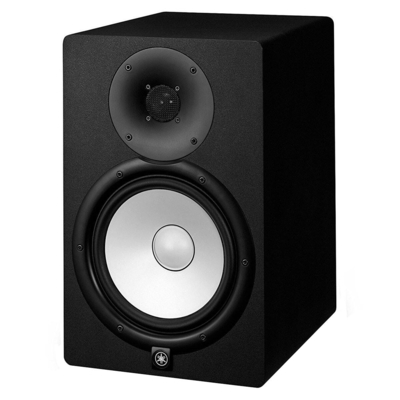
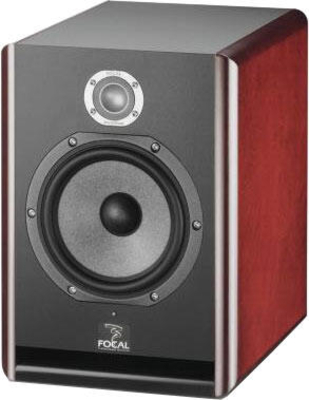
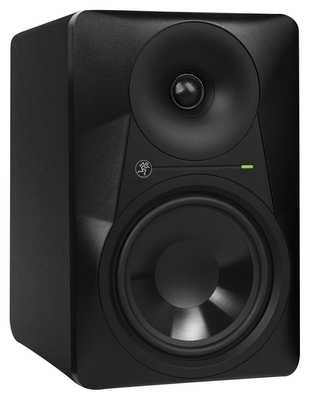
>15 m²: 8″ speakers: If you’ve got the space, 8″ speakers like the Yamaha HS8, KRK RP8 or EVE Audio EXO 28 will give you a fuller sound, ideal for mixing.
Special case: midfield loudspeakers
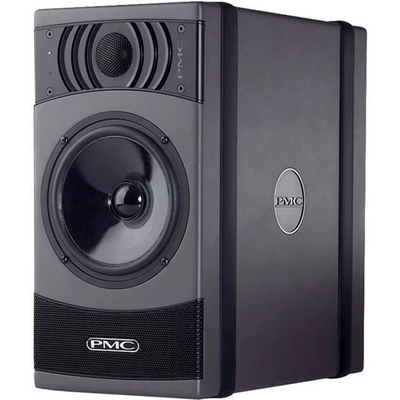
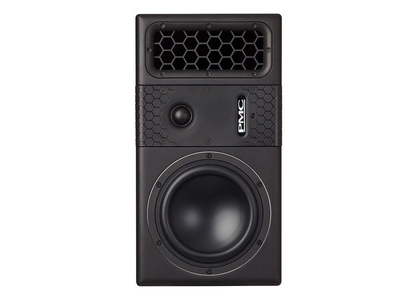
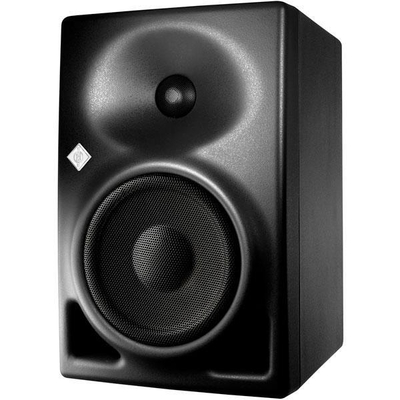
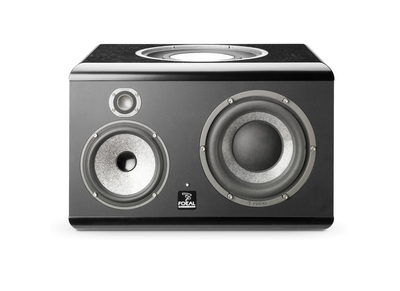
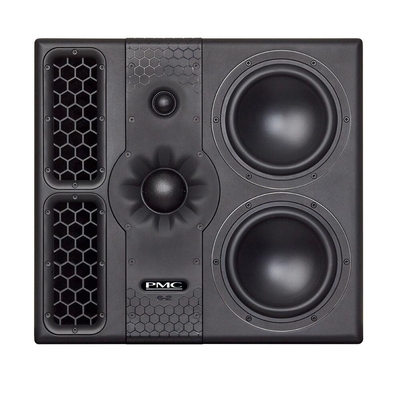
Reserved for processed studios and large rooms. They offer unrivalled power and precision… but require controlled acoustics.
5 common mistakes to avoid when choosing a speaker size
1. Oversizing in a small room
8″ speakers in 9 m²? Not a good idea. You’ll end up with inaccurate bass that’s hard to correct.
2. Neglecting acoustic treatment
Even the best speakers won’t sound good in an untreated room. Consider investing in bass traps.
3. Confusing power with clarity
Bigger doesn’t mean clearer. Precision takes precedence over volume.
4. Underestimating the importance of placement
Position your speakers at ear level, forming an equilateral triangle with your listening position.
5. Forgetting the subwoofer
In some cases, a subwoofer can complement 5″ speakers to broaden the lower end of the spectrum. But beware: this requires careful calibration.
Examples of size-appropriate models
Here are a few must-have references, available from Boullard Musique:
🔊 5″ speakers

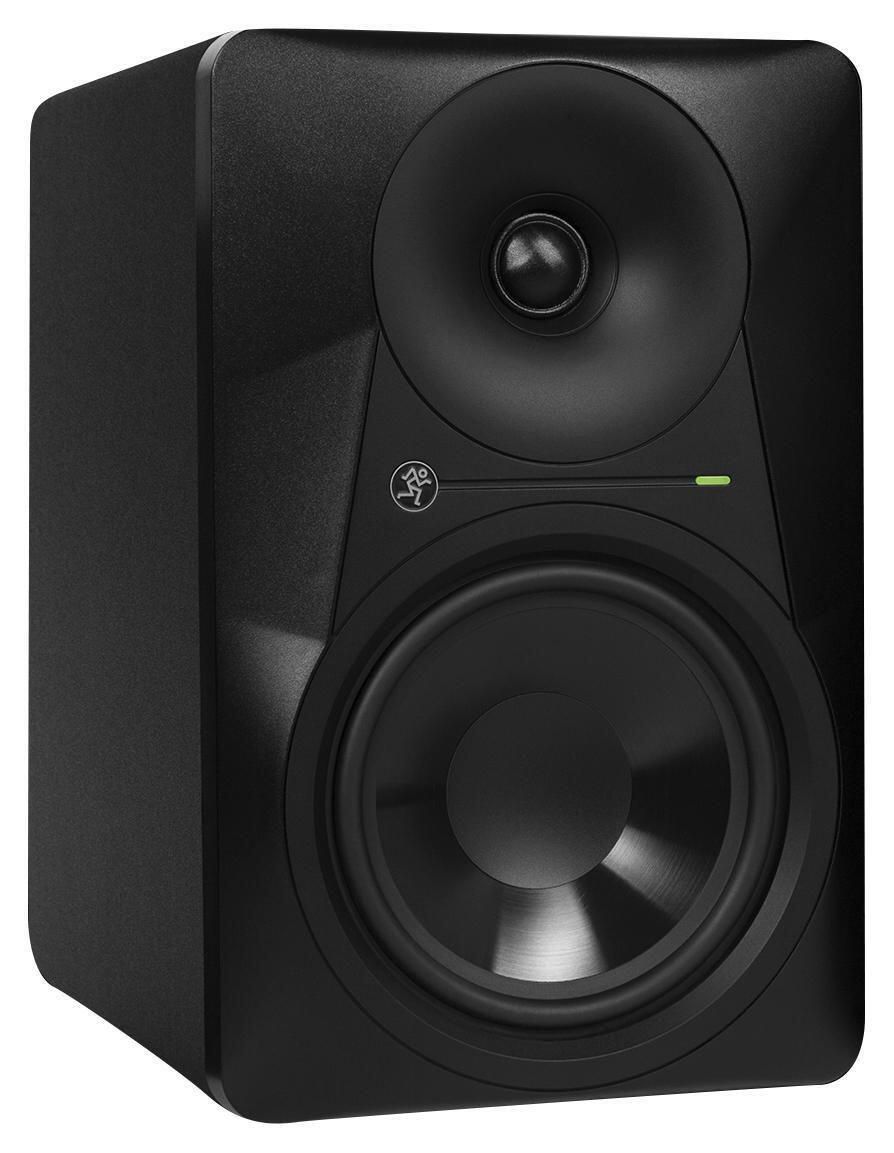
🔊 6 or 7 inch speakers

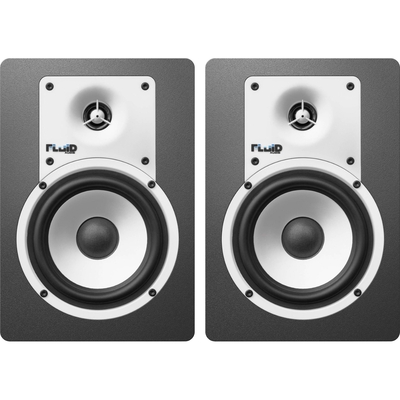
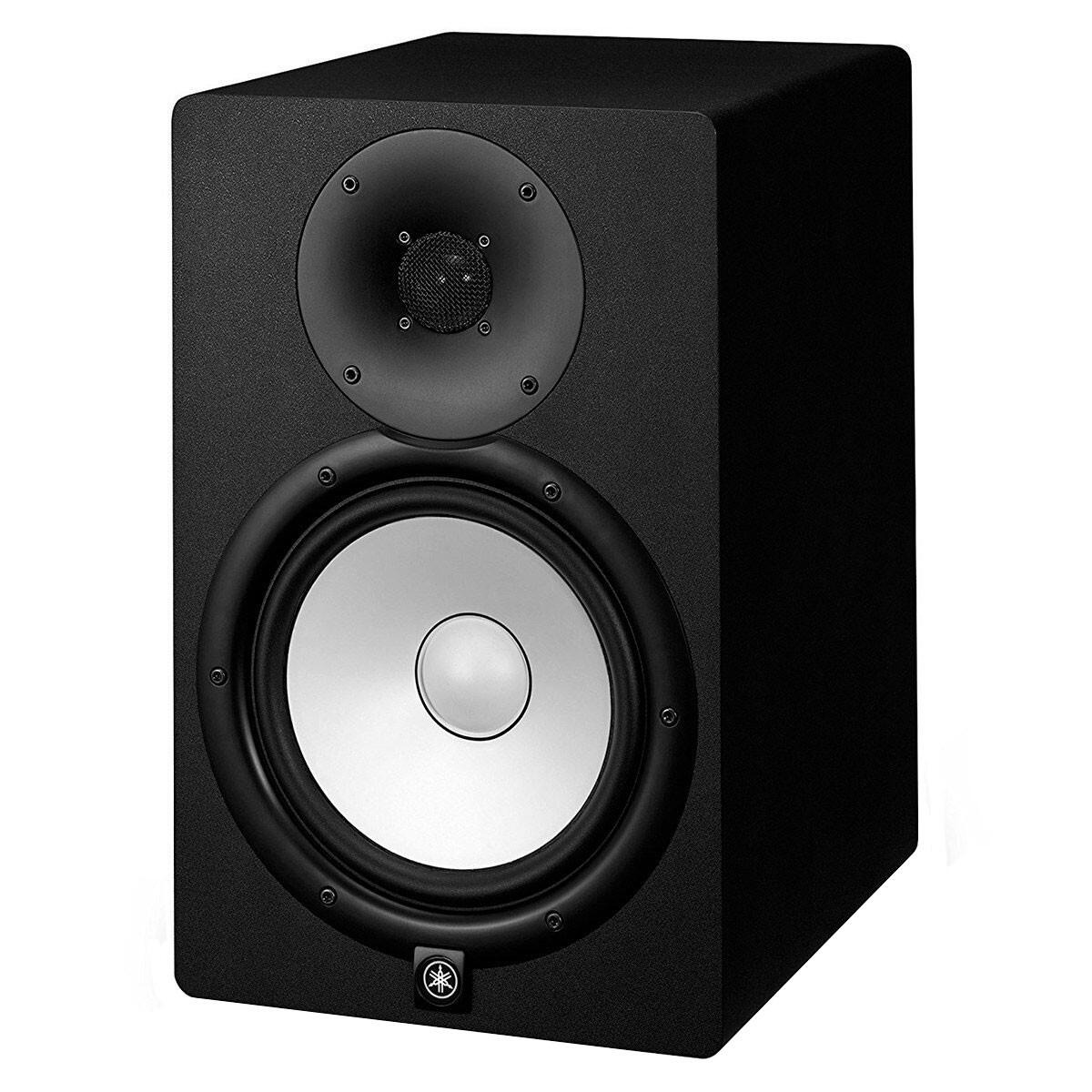
🔊 8-inch speakers

What if your room is poorly treated? Additional solutions
An untreated room can completely distort your perception of sound. Fortunately, there are effective solutions available, even on a small budget.
Acoustic correction
The ideal solution is to add acoustic panels, bass traps and special diffusers. But if you’re just starting out or are on a tight budget, some homemade alternatives can make all the difference.
🎛️ DIY tips: improving acoustics without breaking the bank
- 🛋️ Sofa or bed against the wall → Act as bass traps by absorbing low frequencies.
- 🥚 Egg cartons attached to panels → Attenuate direct reflections, partially replacing acoustic foam.
- 🪟 Thick curtains or blankets → Can function as acoustic diffusers or attenuators, particularly at the rear of the room.
Of course, these solutions remain homemade, but they can greatly improve listening until something better comes along.
Speaker positioning
Even with little treatment, the correct positioning of your speakers makes all the difference. Respect an equilateral triangle, keep them at ear level and avoid sticking them to the walls.
Calibration software
Tools like Sonarworks SoundID Reference or IK Multimedia ARC System allow you to correct your room’s frequency response thanks to precise Bar measurements. An excellent solution if physical processing is limited.
try out your future speakers at Boullard Musique in Morges
At Boullard Musique, we offer you a wide choice of Studio monitors suitable for both professional and home studios. To help you make the best choice, we provide an optimized listening area, where you can compare different models under ideal conditions. Our enthusiastic specialists are there to guide you, advise you and answer all your questions, so you can find the speaker perfectly suited to your sound universe. And if you prefer to buy from home, you can of course order your Studio monitors directly online from our website.
Studio monitors